Regulation · 4 min
Chile proposes a ban on all online betting ads and bonuses
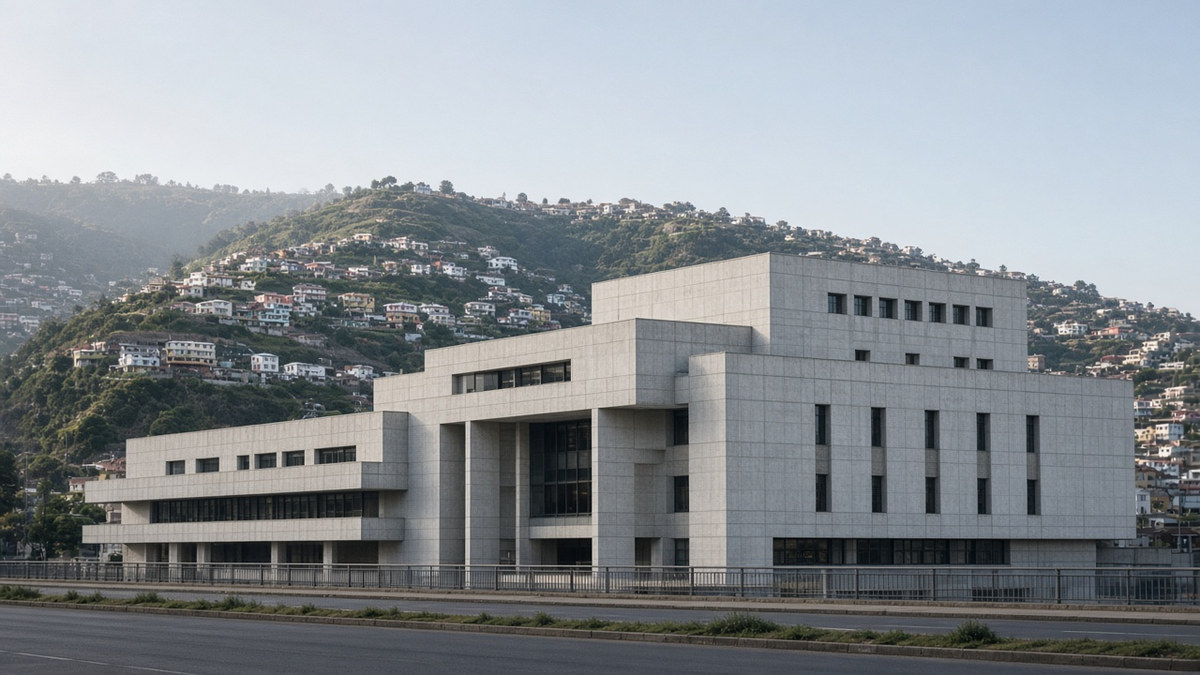
The National Congress building in Valparaíso, Chile, with the city's hills behind. · Bonusjungle illustration
Chile's government wants to ban all advertising by online betting platforms, licensed or not, and outlaw bonuses used to attract or keep players. The package also proposes a 22% total tax. A Senate committee began studying it on 27 October; nothing is law yet.
Chile's government wants online betting platforms to stop advertising altogether and to stop handing out bonuses. On 27 October Undersecretary of Finance Sebastián Vallebona presented a package of amendments to the Senate Economy Committee on bill 14.838-03, which would regulate online betting platforms. Besides the advertising and bonus bans, it adds deposit and play-time limits, stronger identity checks and a 22% total tax. The committee began studying the amendments the same day. Nothing in the package is law yet.
According to Emol, the government handed the committee a 114-page document signed by President José Antonio Kast and several ministers, including Finance Minister Jorge Quiroz. It withdraws all amendments filed so far and renames the measure the "bill to regulate online betting, protect children and prevent gambling addiction".
Newest casinos
Added:
Welcome offer: 400% up to €8,000
35× B+D · €25
Added:
Welcome offer: 450% up to €9,000
35× B+D · €25
Added:
Welcome offer: 100% up to €500
35× bonus · €20



18+ · Affiliate links. We may earn a commission.
What would change for players
The headline measures, as described by Emol and BioBioChile from the government's document:
- No advertising at all. The ban covers betting platforms whether or not they hold a licence, and everyone involved in an ad: whoever orders it, designs or produces it, broadcasts it, brokers it or appears in it. Existing ad contracts held by platforms with a transitional licence could run for at most one year, and only outside child-protection broadcasting hours.
- No bonuses or promotions used to attract or retain players, even if they are never advertised.
- Limits from day one. BioBioChile reports that accounts would come with preset deposit and play-time limits. Players could tighten them at once, but loosening them would take at least 72 hours and a second confirmation.
- Stronger identity checks. Platforms would need reinforced authentication. Biometric verification is possible but not required: Senator Diego Ibáñez pointed out that the text says the platform "may consider" biometrics, and Vallebona said the details should be set by regulation.
- Exclusions. Platforms would have to shut out self-excluded people, prisoners and people on the national register of child-support debtors. Athletes, coaching staff and club directors would be barred from betting on their own sport.
- Blocking. The Senate's own summary, posted on X and relayed by AskSpinner, also lists blocking of illegal sites and their payment channels.
Emol and BioBioChile describe the ban only as covering "bonos y promociones" (bonuses and promotions) and do not list bonus types. This is our own reading: if the ban passes as written, familiar offers such as a deposit match, free spins or a reload bonus would likely fall under it.
Penalties and tax
According to Emol's reading of the document, a licensed operator that advertises would commit a "very serious" infraction that can cost it the licence, and those who design, produce or broadcast the ads would face fines of 3 to 30 UTM. The UTM is Chile's monthly tax unit, a peso amount updated with inflation. Advertising an unlicensed platform would become a criminal offence, with a prison term and fines of 10 to 20 UTM, which Emol puts at CLP 721,510 to 1,443,020. Penalties would be higher for ads aimed at minors.
The tax would be 19% VAT on the monthly difference between stakes and prizes paid, plus an additional 3% tax, for 22% in total. The VAT is charged on that monthly margin, not on each bet. For licences, Emol reports a transitional regime requiring a payment of 3,000 UTM and an up-to-date digital VAT record, and permanent five-year licences with an annual fee of 1,000 UTM.
What senators and the industry said
Several senators questioned the tax. "The tax seems low to me, I am willing to discuss it," Matías Walker said, as reported by Emol. Ricardo Celis said the additional 3% "should be discussed" to improve revenue. Carlos Kuschel and Diego Ibáñez raised the drop in municipal income from land-based casinos, and committee chair Gastón Saavedra said he wants "a level playing field" with them. Saavedra and Celis also questioned how the text defines a bet; Vallebona replied that "the only thing that can be bet is money".
The industry group aPAL told Emol it welcomes the responsible gaming rules and a planned fund for preventing and treating gambling addiction, but opposes the total bans on advertising and bonuses. Its argument is that licensed platforms that cannot make themselves known or compete commercially will struggle to pull players away from illegal sites.
What has not happened yet
The committee has only started studying the amendments. As of 28 October, no vote has been reported, and the Senate's public bill file does not yet show the government's text. The bill entered Congress in 2022 and is in its second stage in the Senate, where it goes to the Finance Committee after Economy. Vallebona said he hopes for a quick process "open to dialogue".
Chile is one of several markets moving on betting ads and bonuses. Peru has draft online betting rules out for consultation, Bulgaria has its own gambling ad ban plan, and Australia's Northern Territory has a bill with a bonus ban and deposit caps for bookmakers.
Sources
- Senado - Tramitación de proyectos (bill file, Boletín 14.838-03; last entry 20 Oct 2026)
- Comisión de Economía - TV Senado (session of 27 October 2026; agenda: study of amendments to 14.838-03)
- Emol: Apuestas online: Gobierno propone prohibir toda publicidad y plataformas rechazan la medida (27 Oct 2026; 114-page document, penalties, tax, aPAL)
- Emol: Impuesto "bajo" y aportes a municipios: Los reparos de senadores a las propuestas del Gobierno sobre apuestas online (27 Oct 2026; session, senators' quotes, Vallebona)
- BioBioChile: Gobierno busca prohibir publicidad de apuestas online y endurecer penas contra plataformas ilegales (27 Oct 2026; default limits, 72-hour rule)
- AskSpinner: Global gambling market updates, October 28, 2026: Chile's Senate Economy Committee starts work on government online betting amendments; senators question 3% extra tax (Senate's X summary; executive text not yet on the bill file)