Industry · 4 min
Blask: offshore brands took 84% of French search demand
3 Nov 2026 ·
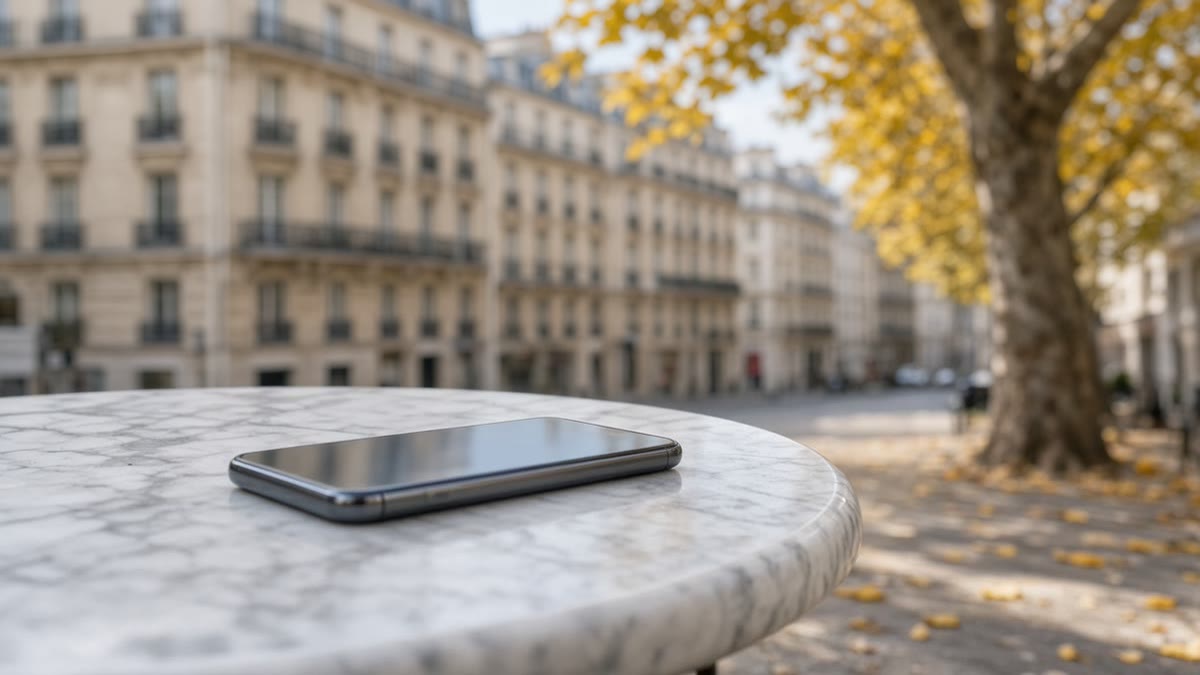
A smartphone on a café table on a Paris street, with the screen out of focus. · Bonusjungle illustration
Blask says brands it classes as offshore held 83.9% of French gambling search demand between 29 September and 12 October 2026, up from 67.5% in 7–20 September. The figures measure search demand across tracked brands, not revenue, players or traffic.
Last updated: 3 Nov 2026, 20:10 CET: first published
Blask, a market-intelligence firm that tracks iGaming demand, says brands it classes as offshore accounted for 83.9% of French gambling search demand between 29 September and 12 October 2026, up from 67.5% in the two weeks to 20 September. The figures measure search demand, not revenue, players or traffic.
France's overall demand rose sharply between the two windows. Blask says its daily Blask Index for France more than doubled between 7–20 September and 29 September–12 October. The licensed side grew too, but by far less than the offshore side.
Newest casinos
Added:
Welcome offer: 400% up to €8,000
35× B+D · €25
Added:
Welcome offer: 450% up to €9,000
35× B+D · €25
Added:
Welcome offer: 100% up to €500
35× bonus · €20

18+ · Affiliate links. We may earn a commission.
What Blask measured
| Window | Offshore brands' share of the French Blask Index |
|---|---|
| 7–20 September 2026 | 67.5% |
| 29 September–12 October 2026 | 83.9% |
The change is 16.4 percentage points (our subtraction). Blask says licensed operators "added about a quarter" over the same period and did not climb back to their August level. By late October, with demand easing, offshore brands still held a larger share than before the rise began, according to Blask.
Blask says two names carried half of the gain: Leon, whose daily index rose more than tenfold, and gtBet, which entered Blask's French data on 29 September. Without gtBet, Blask says, French demand still nearly doubled, spread over a long list of offshore casino brands. We name the two brands only because Blask does. Blask's post does not describe their licences, and we do not either.
How to read the numbers
The Blask Index is a measure of search demand. Blask describes it as built from normalised search data for the brands it tracks, and the market index for a country as the sum of those brands. Blask's own guide to the index says it is not a count of people, visits or searches, and not gross gaming revenue, deposits or reported revenue. So 83.9% is a share of tracked-brand search demand. It is not a market share, a revenue split or a count of French players.
"Offshore" is Blask's classification of brands. It is not a finding by a French authority about any named brand.
The protests
Blask says the rise coincided with nationwide protests in France that began with school blockades in late September. By its account the rise peaked in early October and was already fading by the marches of 17 and 24 October. Blask presents this as a coincidence in timing; its post does not show that the protests caused the rise, and we do not claim that either.
Why the French figures look like this
France's gambling regulator, the ANJ, licenses online sports betting, horse-race betting and poker. On its page about game categories the ANJ says that casino games, and in particular online slots, "ne sont pas autorisés sur le marché français" (are not authorised on the French market). Casino games are offered in 202 land-based venues and eight gaming clubs in Paris. Blask draws the conclusion that French demand for online casino games therefore runs through sites outside the French licensing system.
Our reading: that is the plain-language point behind the numbers. Where a country authorises no online casino, interest in online casino play has no licensed brand to go to. It also means the 83.9% describes where searches went, and says nothing about whether any of those brands is available, or allowed to be offered, to a reader in France.
What it does not show
- Money or players: nothing in the post gives revenue, deposits, player numbers or traffic for any brand.
- A reason for the rise: the protests coincided with the rise; Blask gives no evidence of cause.
- Comparison with other countries: search share is a different measure from channelisation, the share of play that stays with licensed operators. We covered that measure in our report on the Dutch market scan; the two should not be set side by side.
- Official reaction: we found no ANJ comment on Blask's data on 3 November.
For the licensed side of the French market, see our reports on the ANJ's first-half 2026 online gambling revenue, Betsson's French poker licence and the ANJ's study of 15–17-year-olds. More news is in the news hub.
What is still unclear
- Whether Blask or other data providers show the same pattern for later weeks, now that the protests have eased.
- Which brands Blask counts as offshore and which as licensed; the post does not list them.
- Whether the ANJ will comment on the data.
18+. Gambling can be addictive. If it stops being fun, see our responsible play page.
Updates
- 3 Nov 2026: first published.
Sources
- Blask: As France protested, offshore brands took 84% of its gambling demand, by Denis Bolshakov, 28 October 2026 (primary and the data owner; read 3 Nov 2026; all Blask figures above are from this post)
- Blask: What Is Blask Index? How It Measures iGaming Market Demand (knowledge base, updated 25 October 2026) (method: what the index measures and does not measure; read 3 Nov 2026)
- ANJ: Offre de jeux et canaux de distribution (regulator's page; in French; read 3 Nov 2026; the translation of the quoted sentence is ours)